

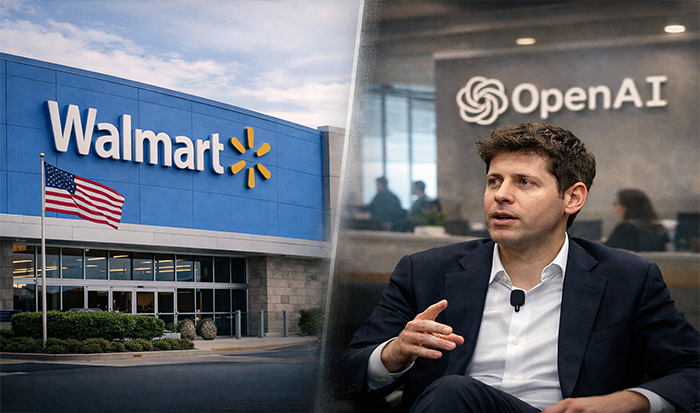
Walmart is reworking its AI-powered shopping partnership with OpenAI after underwhelming results from its “Instant Checkout” feature, which allowed users to buy products directly inside chat interfaces like ChatGPT. Despite offering around 200,000 products, the feature saw significantly lower conversion rates compared to traditional e-commerce flows, especially because purchases were limited to single items rather than full carts.
To address this, Walmart is shifting strategy by integrating its in-house AI assistant, Sparky, into platforms like ChatGPT and Google Gemini. This new approach focuses on enabling cart-based shopping, personalized recommendations, and a more natural buying journey.
This signals that AI-driven “agentic commerce” is still in its early stages. While AI can assist with product discovery, actual purchase behavior still relies on familiar patterns like browsing, comparing, and adding multiple items to a cart. The initial failure highlights the gap between AI innovation and real consumer behavior.
It also shows that major retailers are not abandoning AI commerce, but refining it to better align with how people actually shop.
Takeaway for sellers:
- Don’t rely solely on AI-driven discovery channels yet
- Optimize for bundles, cart value, and multi-product purchases
- Focus on strong product pages and conversion fundamentals
- AI will influence shopping, but conversion still happens through optimized experiences
