

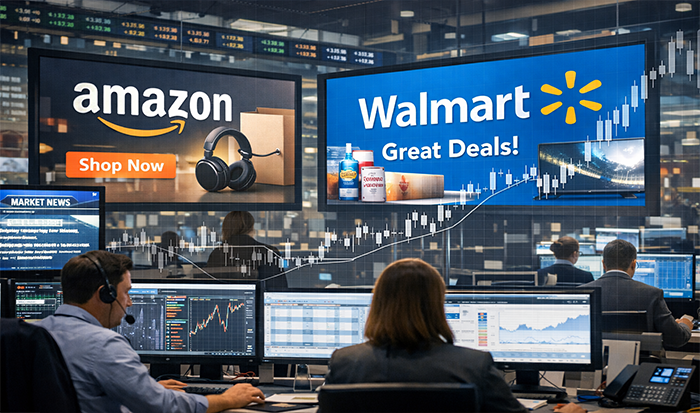
Retail media is rapidly becoming one of the fastest-growing segments in digital advertising, with U.S. ad spend projected to reach nearly $72 billion in 2026. Major players like Amazon and Walmart are leading this surge by expanding their in-platform advertising ecosystems. These platforms are no longer just marketplaces; they are evolving into powerful advertising networks where brands compete for visibility directly at the point of purchase.
Retailers are investing heavily in sponsored products, display ads, and data-driven targeting capabilities. With access to first-party shopper data, they can offer highly personalized ad experiences, making retail media more effective than traditional digital advertising channels.
Key highlights:
- U.S. retail media ad spend nearing $72B in 2026
- Amazon and Walmart dominating the retail ad space
- Growth driven by first-party data and shopper insights
- Sponsored ads becoming essential for product visibility
Why it matters:
This shift reflects a major transformation in e-commerce, where advertising is becoming a core revenue driver, not just a support function. As competition increases, organic visibility is declining, forcing brands to rely more on paid placements to stay competitive.
Retail media also offers better ROI compared to traditional ads, as it targets consumers who are already in a buying mindset leading to higher conversion rates.
Takeaway for sellers:
Sellers must allocate more budget toward retail media advertising. Winning on marketplaces now depends heavily on paid visibility, so optimizing ad campaigns and balancing ad spend with profitability is crucial for long-term success.
