


Table of Contents
Introduction

Launching a new product on Amazon is no longer about waiting. It is all about intense competition, smarter sellers, and having algorithms, which depends on timings, data and execution.
A well planned Amazon product launch can help you in ranking faster, getting early traction and building a profitable brand instead of burning ad money.
Through this guide, you will understand how to launch a product on Amazon, step-by-step just by listing optimisation, pricing, PPC and post-launching scaling, so that your product does not just launch, it is viewed and you get the profits.
Here is the humanized version of your text, naturally weaving in the Amazon New Product Launch Strategy to make it feel like a shared insight rather than a marketing pitch.
Why the Launch Phase is Your Make-or-Break Moment
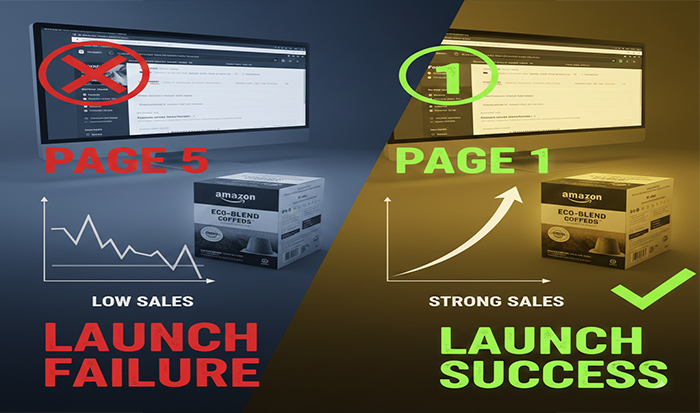
On Amazon, the “Best Seller” badge isn’t just about having a great product—it’s about momentum. Think of the Amazon algorithm like a flywheel: once it starts spinning, it generates its own energy. But getting that first turn requires a deliberate, human-centered push.
Amazon rewards “winners.” When the platform sees real people clicking, buying, and engaging with your listing in those first few weeks, it takes notice and starts rewarding you with better search placement.
Without a clear Amazon New Product Launch Strategy, even the most innovative products risk being buried on page ten, where they never get the chance to help anyone.
The Real-World Benefits of a Strong Start
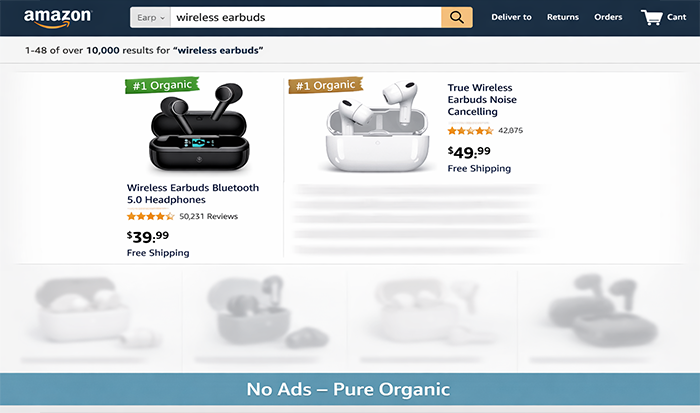
- Winning the Search Game: A well-planned launch makes your product appear for the precise high-intent keywords that consumers are actively looking for. Your listing starts to show up on pages one and two of relevant searches, where purchasing decisions are made, rather than being buried pages deep. Because of this early exposure, Amazon’s algorithm is trained to link your product with the appropriate search terms, which facilitates and stabilises future organic ranking.
- Gaining Honest Momentum: Early traction is critical, but it must be earned the right way. A strong launch allows you to generate initial sales and secure your first genuine reviews through compliant programs like Amazon Vine or buyer follow-ups. These early reviews validate your product’s quality and remove hesitation for new shoppers, creating a natural snowball effect rather than artificial spikes that quickly collapse.
- Building a Reputation: Customers trust what other customers trust. When your product launches with consistent sales, positive feedback, and professional presentation, it sends a powerful credibility signal. This social proof turns cautious browsers into confident buyers, reduces objections, and increases conversion rates—especially in competitive categories where trust is the deciding factor.
- Smarter Spending: Instead of burning money on broad, unfocused ads, a strong launch gives you real performance data early on. You learn which keywords convert, which audiences respond, and where your ads are leaking budget. This allows you to refine campaigns intelligently, improve ROAS over time, and significantly reduce long-term advertising costs as organic sales begin to carry more weight.
- Setting the Foundation: Perhaps the biggest advantage of a smart launch is longevity. You’re not chasing temporary boosts or gimmicks—you’re building a system. Strong rankings, reliable conversions, optimized ads, and brand trust create a foundation that supports future product launches and long-term scaling. In the end, a powerful launch isn’t just about today’s sales—it’s about creating a business that grows stronger with every product you add.
Step 1: Product & Market Validation (Before You Launch)

Before you invest in inventory, design a single ad, or even write your first bullet point, you need to be sure there’s a seat at the table for you. Think of this phase as “reading the room.” You’re not just looking for a product that sells; you’re looking for a gap in the market where you can actually make a difference (and a profit).
"Read the Room" Checklist
- Listen to the Search Bar: Are people actually looking for this? Check the search volume for your core keywords to ensure there’s a hungry audience waiting for a solution.
- Size Up the Competition: Look at the heavy hitters. If the top sellers have 10,000 reviews and rock-bottom prices, you’ll need a very specific Amazon New Product Launch Strategy to stand out.
- Do the “Real” Math: A high price tag is great, but what’s left after Amazon takes its cut and you pay for ads? Ensure your margins give you enough breathing room to grow.
- Read the Complaints: This is your secret weapon. Dive into the 2- and 3-star reviews of your competitors. What are people frustrated by? If they say a product is “too flimsy” or “hard to assemble,” that is your invitation to build something better.
Step 2: Keyword Research for Launch Success
Keyword research is the backbone of every Amazon Launch Strategy.
Focus on 3 keyword types
- Primary keywords (high volume, high intent)
- Secondary keywords (mid volume, easier ranking)
- Long-tail keywords (low competition, high conversion)
These keywords will be used across:
- Title
- Bullet points
- Description / A+ content
- Backend search terms
- PPC campaigns
Without keyword alignment, your product will not surface—even with ads
Step 3: Build a High-Converting Listing (Pre-Launch)
Your listing must convert before you drive traffic.
Essential elements
- SEO-optimized title with main keyword
- Benefit-driven bullet points (not features only)
- Clear product differentiation
- Professional, scroll-stopping images
- Infographics that answer buyer objections
Your listing is your sales page. Ads only bring traffic—conversion happens here.
Step 4: Pricing Strategy for New Product Launch

Pricing during launch is strategic—not permanent.
Common launch pricing approaches
- Slightly lower than competitors
- Coupons to boost CTR
- Limited-time discounts
- Bundled value offers
The goal is velocity, not profit in the first phase. Once ranking stabilizes, pricing can be optimized.
Here is the humanized version of Step 5, focusing on the customer experience and the peace of mind that comes with a solid logistics plan.
Step 5: Fulfillment & Inventory Planning (The FBA Advantage)
In the world of Amazon, how a customer gets their package is just as important as what is inside it. For the vast majority of sellers, an Amazon FBA Product Launch is the most effective way to level the playing field.
By letting Amazon handle the heavy lifting—storage, shipping, and customer service—you’re not just outsourcing labor; you’re buying instant credibility.
Why FBA is a Game-Changer for Your Launch
- The Prime “Trust” Factor: When shoppers see that Prime badge, they feel a sense of security. It’s a promise of fast, free delivery that significantly boosts your conversion rates.
- Winning the Buy Box: Amazon’s algorithm favors products it can deliver quickly. Using FBA gives you a massive leg up in staying front-and-center when a customer is ready to click “Add to Cart.”
- Reliability Equals Reviews: Faster delivery and hassle-free returns lead to happier customers. When the logistics are seamless, your reviews stay focused on your product, not shipping delays.
- Professional Support: You get to lean on Amazon’s world-class customer service, allowing you to focus on growing your brand instead of tracking down lost packages
Step 6: Amazon Advertising Strategy for Launch
Ads are non-negotiable during launch.
A strong Amazon Advertising Strategy accelerates visibility while organic rankings build.
Recommended launch ad structure
- Auto campaign (data mining)
- Manual broad campaign
- Manual phrase campaign
- Manual exact campaign (core keywords)
Monitor:
- CTR (click-through rate)
- CVR (conversion rate)
- ACOS (advertising cost of sales)
Early ads may be unprofitable—and that’s okay. Data and ranking matter more initially.
Step 7: Driving Early Sales & Momentum
Amazon favors products that sell consistently.
Ways to boost early traction
- External traffic (social media, WhatsApp, email)
- Brand followers
- Influencer traffic
- Deal websites (used carefully)
The objective is real buyer behavior, not artificial spikes.
Step 8: Reviews & Trust Building (The Right Way)
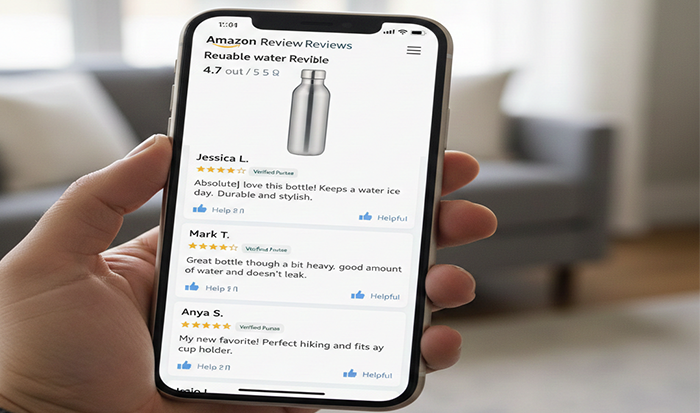
Reviews directly impact conversion and ranking.
Safe review strategies
- Follow-up emails via Amazon
- Insert cards (policy-compliant)
- Deliver exceptional packaging & quality
- Use Amazon New Product Test Invitation
Never buy reviews. One policy violation can end your account.
Step 9: Amazon Product Launch Checklist
Use this Amazon Product Launch Checklist to ensure nothing is missed:
- Market & competitor research completed
- Keyword research finalized
- Listing optimized and indexed
- Images & A+ content ready
- Pricing & coupons set
- Inventory live in FBA
- PPC campaigns launched
- External traffic planned
- Review strategy in place
- Daily performance tracking
Launching without a checklist leads to costly mistakes.
Step 10: Monitoring & Optimization (Post-Launch)
Launch doesn’t end after Day 1.
Track:
- Keyword ranking movement
- Ad performance by keyword
- Listing conversion rate
- Customer feedback & returns
Optimize:
- Pause wasteful keywords
- Scale winning campaigns
- Improve listing based on customer questions
- Adjust pricing once ranking improves
This phase decides whether your product scales or stalls.
Here is the humanized version of the common pitfalls, framed as “lessons learned” to help a seller stay focused on the long game.
The "Launch Killers": Common Mistakes to Avoid

Even with a great product, it’s easy to stumble if you treat your launch like a “set it and forget it” project. A successful entry into the market is a disciplined process, not a one-time event. To keep your momentum steady, watch out for these common traps:
- Treating Ads as Optional: Launching without a PPC (Pay-Per-Click) plan is like opening a store in a hidden alleyway. You need that initial paid visibility to tell the algorithm, “Hey, people actually want this.”
- Cutting Corners on the First Impression: If your images look like amateur snapshots or your copy feels like a robot wrote it, shoppers will bounce. Your listing needs to build trust instantly through high-quality visuals and human, benefit-driven writing.
- Flying Blind Without Keywords: You can’t just hope people find you. Without a clear keyword strategy, you’re missing the bridge that connects a customer’s problem to your solution.
- The “Out of Stock” Heartbreak: There’s nothing more painful than seeing your product hit #1 only to have your inventory dry up. Running out of stock early doesn’t just lose sales—it tells Amazon you aren’t ready for the big leagues, and your ranking will drop.
- Ignoring the Feedback Loop: Your first customers are giving you a roadmap. If they’re pointing out a recurring issue or asking the same question, listen. Ignoring these early signals is a missed opportunity to refine your Amazon New Product Launch Strategy.
- Chasing Instant Profit: It’s tempting to want a return on day one, but the launch phase is an investment. It’s about buying data, building history, and earning reviews. The real profit comes once you’ve established your territory.
Advanced Launch Strategy for New Products on Amazon (For Serious Sellers)

Once the fundamentals of your Amazon product launch are solid, advanced execution is what separates average sellers from category leaders. These strategies refine your Amazon Launch Strategy, improve efficiency, and accelerate dominance.
Tracking keyword rankings
A sophisticated Amazon New Product Launch Strategy must monitor keyword rankings. It assists you in determining whether your product is becoming more visible naturally or solely through advertisements.
Sellers can determine which terms are reacting to sales velocity and optimisation efforts by regularly tracking keyword positions.
Ranking data enables you to strategically modify listings, push high-potential keywords through Amazon Advertising Strategy, and make sure your Amazon product launch is headed towards long-term organic growth rather than transient paid visibility.
Campaigns to isolate search terms
An essential component of a well-developed Amazon Launch Strategy is search term isolation. Converting keywords are separated into exact-match campaigns with targeted budgets after being found in auto or broad campaigns.
This strategy lowers wasteful spending, enhances relevance, and fortifies ranking signals. Isolation campaigns help sellers who are focused on scaling turn disorganised PPC data into a controlled, organised system that facilitates long-term keyword ownership and a profitable Amazon FBA product launch.
Traffic to brand stores
Your Amazon New Product Launch Strategy gains depth by increasing traffic to Amazon Brand Stores. Brand stores improve overall conversion rates, increase cross-product discovery, and boost customer engagement.
During the crucial launch phase, sending traffic from external sources or Sponsored Brand ads enhances branded search signals and helps new listings.
For serious sellers, Brand Store traffic is more than just sales; it’s about establishing credibility that grows with each new product launch on Amazon.
Retargeting advertisements
An effective addition to a sophisticated Amazon Advertising Strategy is retargeting advertisements. Many buyers look at a listing during a launch but postpone making a purchase.
You can re-engage these audiences throughout Amazon by using sponsored display retargeting, which strengthens recall and trust.
During competitive launches, this stabilises performance, increases conversion rates, and optimises the value of paid traffic.
By using retargeting, you can make sure that demand for your Amazon product launch is captured before it is lost to rivals.
Final Thoughts: Launch Smart, Scale Faster

At the end of the day, a successful Amazon product launch isn’t a matter of luck; it’s a deliberate blend of careful planning, data-driven insights, and a little bit of creative storytelling. It requires patience and a willingness to learn as you go.
The sellers who truly thrive are those who treat their launch as a scalable system rather than a shortcut to quick cash.
When you commit to a well-structured Amazon New Product Launch Strategy, you’re doing more than just putting an item up for sale—you’re building a foundation that can support a lasting brand.
By backing that launch with a sophisticated Amazon Advertising Strategy and staying dedicated to continuous optimization, you take the guesswork out of the equation.
Amazon shouldn’t feel like a gamble. When you approach it with the right tools and a disciplined mindset, it stops being a source of stress and starts becoming what it was meant to be: a powerful engine for long-term growth.
FAQs:
1. What is the most important part of an Amazon product launch?
Keyword research and listing optimization. Without them, ads and traffic won’t convert.
2. How long does an Amazon product launch take?
Typically 30–90 days to stabilize rankings and sales velocity.
3. Is Amazon FBA necessary for new product launches?
Not mandatory, but Amazon FBA Product Launch usually converts better due to Prime trust.
4. How much budget is required for an Amazon launch?
Depends on category, but expect to invest in ads, discounts, and inventory before profits.
5. Can I launch without Amazon advertising?
Technically yes—but practically no. PPC is critical for visibility during launch.

 Back to top
Thought Leadership, Tips, and Tricks
Never miss insights into the Amazon selling space by signing up for our email list!