

Why This Traffic Breakdown Matters In 2026
If you sell on Amazon, traffic volume alone no longer tells the full story. What really matters is where that traffic is coming from and what it does once it lands on your listing.
That is why understanding Amazon Traffic Sources is so useful in 2026. One product may receive plenty of visits but still struggles to grow, while another receives a healthier mix of traffic and starts building momentum faster. When you break traffic down properly, you can see whether your growth is coming from rankings, ad spend, or outside channels.
For Sellerite users, this matters because better traffic decisions usually lead to better budget decisions. You stop guessing, and you start seeing which traffic sources are actually helping your products move.
What Counts As Amazon Traffic Sources
The three main buckets
In simple terms, Amazon Traffic Sources usually fall into three groups:
- Amazon Organic Traffic — traffic coming from unpaid Amazon search results, browse placements, and natural discovery inside the platform.
- Amazon Paid Traffic — traffic coming from Sponsored Products, Sponsored Brands, Sponsored Display, and other ad placements on Amazon.
- Amazon External Traffic — traffic coming from outside Amazon, like Google, YouTube, Instagram, blogs, emails, or influencer campaigns.
Each source plays a different role. The goal is not to rely on one alone. The goal is to understand what each one is doing for your business.
Why traffic quality matters
Not all traffic is equally valuable. Some traffic converts quickly, some helps build awareness, and some just burns budget if the product page is not ready.
That is why a smart Amazon Traffic Source strategy looks at more than sessions. It looks at conversion, ranking impact, and whether the traffic helps you grow in a sustainable way.
Amazon Organic Traffic: The long-term win
Why sellers want more of it
If sellers could choose one type of traffic to grow consistently, it would usually be Amazon Organic Traffic. That is because organic traffic is the closest thing to compounding growth on Amazon.
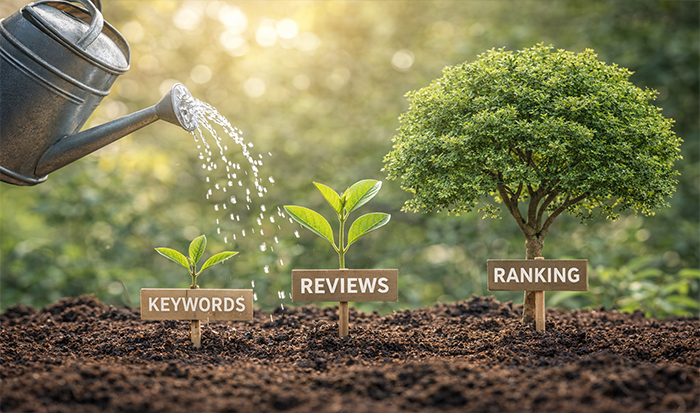
When your listing starts ranking naturally for the right keywords, you can keep getting visibility without paying for every click. That makes organic traffic more efficient over time and usually more profitable too.
Organic growth is often supported by:
- Better keyword targeting
- Strong conversion rate
- Healthy sales velocity
- Good reviews
- Competitive pricing
It usually takes longer to build, but once it starts working, it becomes one of the most valuable pieces of your Amazon Traffic mix.
What healthy organic traffic tells you
A healthy organic traffic pattern usually means your listing is doing a few things right. It suggests your product is relevant, your page is converting, and Amazon sees it as worth showing to more shoppers.
That is why many sellers treat organic traffic as a sign of real traction. Paid traffic can buy visibility, but organic traffic usually has to be earned.
Amazon Paid Traffic: Fast visibility, but not cheap forever
Why paid traffic still matters
Amazon Paid Traffic is still one of the fastest ways to get attention, especially for new product launches, ranking pushes, and competitive categories. If your listing is new or buried, ads are often the quickest way to get in front of shoppers.
Paid traffic is useful for:
- Launching new ASINs
- Testing keywords
- Supporting seasonal promotions
- Defending branded searches
- Gaining early momentum
For many products, paid traffic is not optional at the beginning. It helps create the first layer of visibility while organic rankings are still developing.
Where sellers get stuck
The problem starts when ads become the whole strategy.
If most of your Amazon Traffic is paid, your growth can become fragile. The moment you lower spend, traffic may fall with it. That usually means the listing is not yet strong enough to carry itself organically.
Some warning signs are easy to spot:
- Sales drop sharply when ad spend drops
- Conversion stays weak despite good traffic
- ACoS stays high without long-term ranking gains
Paid traffic works best when it supports organic growth, not when it replaces it.
Amazon External Traffic: Growing in importance
Why more brands are using it
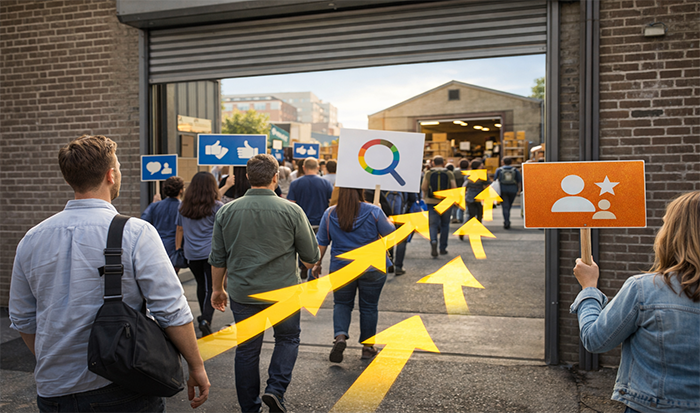
More sellers are paying attention to Amazon External Traffic in 2026, and for good reason. It gives brands a way to bring in shoppers from outside Amazon instead of competing only inside Amazon’s ad system.
External traffic can come from:
- YouTube
- Email campaigns
- Blogs
- Influencer promotions
This source is especially useful for brands that already create content, work with creators, or have an audience they can activate beyond Amazon.
What makes external traffic valuable
The biggest advantage of Amazon External Traffic is that it can introduce your product to people who were not actively shopping on Amazon at that moment. That gives you a chance to create demand, not just capture existing demand.
But there is a catch. External traffic only helps when it is qualified. Sending random clicks to Amazon rarely does much. Sending the right audience can make a real difference.
Amazon Traffic Sources At A Glance
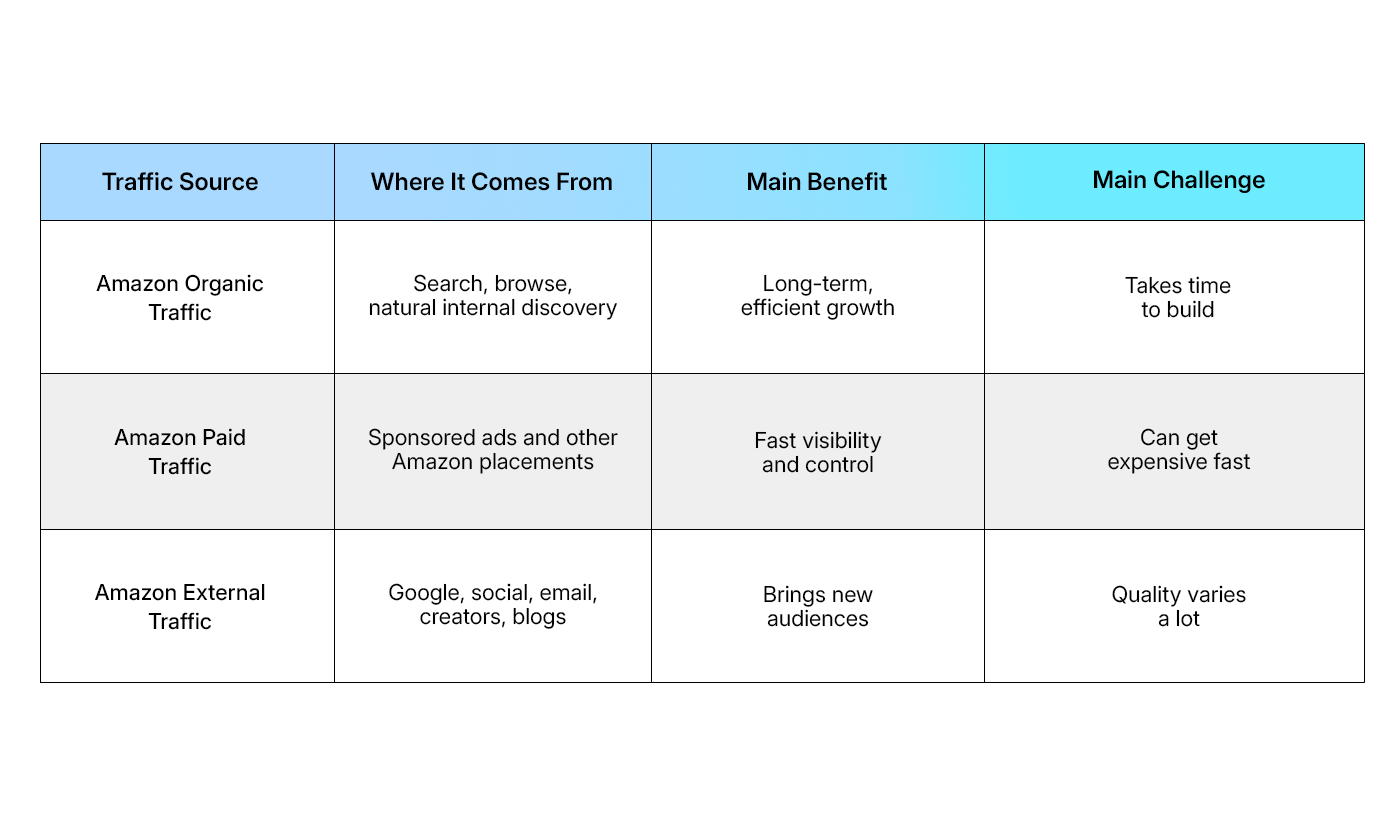
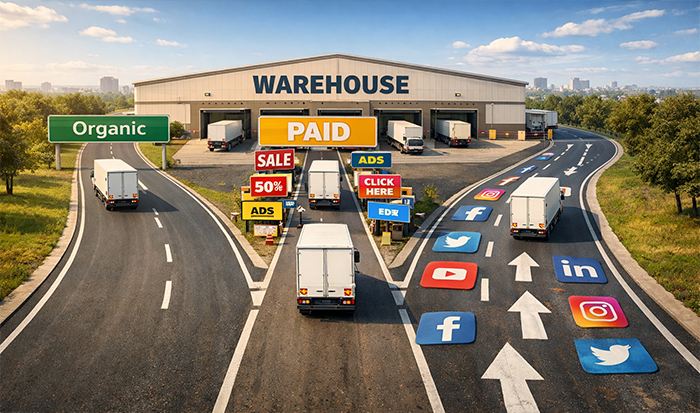
This is the simplest way to look at it: each Amazon Traffic Source solves a different problem. Organic helps you stay visible, paid helps you get visible, and external helps you expand your reach.
How These Traffic Sources Work Together
One of the biggest mistakes sellers make is treating these traffic types like separate lanes. In reality, they often support each other.
A common pattern looks like this:
- Paid traffic brings in early clicks and sales.
- Those sales help improve organic ranking.
- Better rankings grow Amazon Organic Traffic.
- External traffic adds fresh demand from outside Amazon.
When that cycle works well, your business becomes much healthier. You are no longer depending on just one source to carry the whole load.
What A Healthy Traffic Mix Looks Like
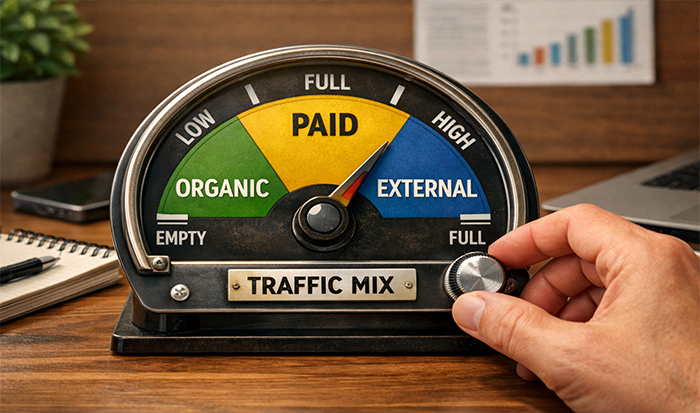
There is no perfect ratio for every seller, because product stage matters. A new product may lean heavily on Amazon Paid Traffic at first, while a mature listing may get most of its sales from Amazon Organic Traffic.
Still, the general pattern is pretty clear:
- If organic is too low, your foundation may be weak.
- If paid is too high, your costs may be too heavy.
- If external is missing, you may be too dependent on Amazon alone.
The smartest approach is balance. You want paid traffic to create momentum, organic traffic to build stability, and external traffic to open up new opportunities.
How To Use This In A Sellerite Workflow
If you want to apply this in a practical way, keep it simple.
- Check which ASINs rely too heavily on paid traffic.
- Look at which listings convert best from organic traffic.
- Review whether external traffic is actually converting.
- Strengthen weak listings before pushing more traffic to them.
- Track source mix over time, not just in one snapshot.
This helps you make better decisions faster. Instead of asking, “How do I get more traffic?” you start asking the better question: “Which traffic is actually helping this product grow?”
What This Means For Your 2026 Strategy
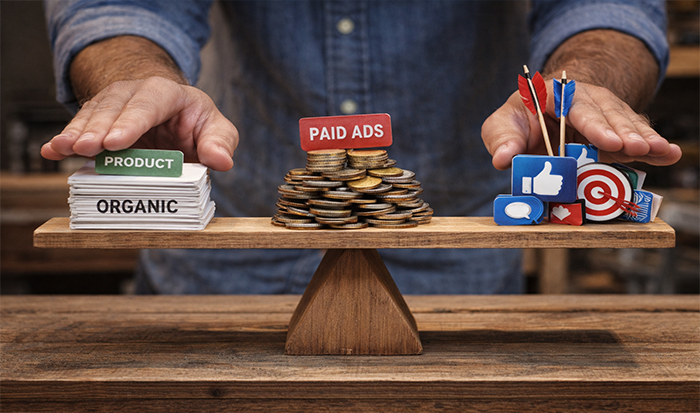
The biggest takeaway from this Amazon Traffic Sources breakdown is simple: traffic quality matters more than traffic volume.
Amazon Organic Traffic is still the strongest long-term asset. Amazon Paid Traffic is still the fastest accelerator. Amazon External Traffic is becoming more valuable for brands that want to grow beyond Amazon’s internal ecosystem.
For Sellerite users, the best strategy is not picking one over the others. It is building a system where each source has a role. That is usually where stronger margins, healthier rankings, and more durable growth begin.
