



Table of Contents
Introduction

Starting on Amazon can feel exciting right up until you hit the part where inventory enters the conversation. Suddenly, it is not just about product ideas or listing pages. It becomes about cash flow, storage, unsold stock, supplier minimums, and the fear of guessing wrong.
That is exactly why so many beginners start searching for How to Sell on Amazon Without Inventory. They want a way in without filling a room with boxes or tying up money in products that may not move.
The good news is that it is possible. It is possible to create an Amazon business without holding and storing inventory in advance. However, there is a catch: the path to do so has to be carefully selected. Indeed, not all models function in the same way. Moreover, not all ideas related to holding fewer inventories are equally safe and Amazon-friendly.
Additionally, there are models where flexibility is offered instead of control. Others keep risk low but require more patience, stronger systems, or better supplier relationships.
That is where this guide comes in. Are you curious to learn how to sell on Amazon but do not want to hold products in inventory? This article will guide you on how to do so by learning about the options and how to select the smartest path to start.
We will learn about what works and what Amazon wants. We will also learn about what to avoid and how to select what works for you. Our aim is not to make this sound too simple. It is to make it clear.
Can You Really Sell on Amazon Without Inventory?
The short and simple answer is: yes. However, there is an important catch: someone still has to hold and store the product. Amazon is not eliminating inventory from the business model. It is shifting where that inventory sits and who takes responsibility for fulfillment.
That distinction matters because a lot of people hear the phrase and imagine a completely hands-off business. In reality, Selling on Amazon without inventory usually means using a model like dropshipping, print-on-demand, affiliate-style referral strategies, third-party fulfillment, or a supplier-managed process where stock is only moved after an order comes in.
Each of these approaches changes the risk profile:
- You reduce upfront inventory costs.
- You avoid buying large batches too early.
- You can test products with less financial exposure.
- You also give up some control over shipping, packaging, and quality.
So yes, the opportunity is real. But it works best when you treat it as a lower-risk entry model, not a magic shortcut. If your supplier is slow, inaccurate, or inconsistent, your Amazon account still takes the hit. That is why low-inventory selling can be smart, but only when it is built on reliable operations.
Why Sellers Look for No-Inventory Models

Most people do not look into this model because they are trying to game the system. They look into it because traditional inventory-based ecommerce feels heavy at the beginning. Buying stock in advance means making several decisions before you even know whether the product will sell.
That creates pressure in areas like:
- Cash tied up in product orders.
- Storage needs at home or in a warehouse.
- Risk of dead stock.
- Supplier minimum order quantities.
- Fear of choosing the wrong product too early.
This is why How to Sell on Amazon Without Inventory has become such a common search. It gives newer sellers, side hustlers, and cautious brand builders a way to start without making one big bet.
There is also a practical advantage beyond money. Low-inventory models are useful for product testing. If you are not yet sure what to sell on Amazon, using a model with less upfront commitment can help you learn the market before scaling harder. That does not mean you should stay in a low-control setup forever. It just means there is value in using a lighter model during the early phase.
The Main Ways to Sell Without Inventory
There is not one single method here. There are several paths, and they serve different kinds of sellers. Some are better for testing. Some are better for creativity. Some work better if you want a brand later. The trick is choosing the model that matches your skills, timeline, and tolerance for risk.
Dropshipping
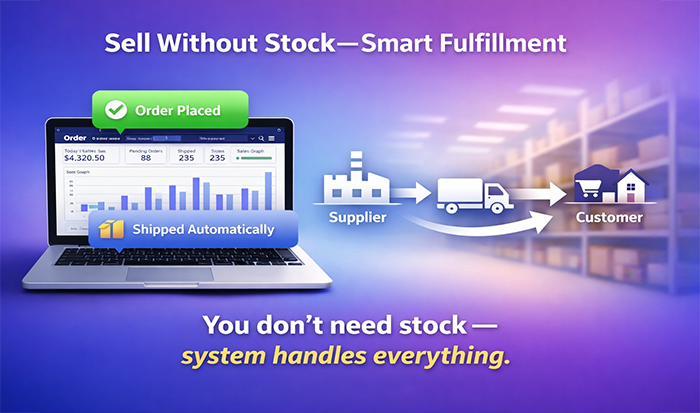
Dropshipping is the model most people think of first. You list a product, a customer places an order, and a supplier ships that product directly to the customer on your behalf. You do not store the product yourself.
This can be appealing for obvious reasons:
- No need to pre-purchase inventory.
- No home storage or warehouse setup.
- Easier to test several products.
- Lower upfront financial risk.
But there is a catch, and it is a big one. Amazon has strict expectations around dropshipping. You must be the seller of record, and all packaging, invoices, and customer-facing details need to reflect that.
You cannot simply copy a retail listing from another marketplace and have another retailer ship it to your Amazon customer. That creates policy and account-risk problems fast.
Dropshipping can work, but only when the supplier relationship is legitimate, controlled, and aligned with Amazon’s rules. If you try to run it sloppily, the model becomes fragile very quickly.
Print-on-Demand
Print-on-demand is often one of the cleanest ways to Sell Products on Amazon without holding stock. Instead of storing finished goods, you create or upload designs for products like t-shirts, mugs, journals, hoodies, or accessories. The item is only produced when someone orders it.
This works well for sellers who are more creative than logistical. You are not buying 300 units of something and hoping it moves. You are launching ideas and letting actual demand decide what deserves more attention.
Why print-on-demand appeals to many sellers:
- Very low upfront inventory risk.
- Good for testing designs and niches.
- Easy to expand into multiple variations.
- Useful for seasonal or trend-based ideas.
The downside is that margins can be tighter, and you still need to stand out. Bad design, weak positioning, or copied trends rarely go far. Still, if someone asks How to Sell on Amazon without buying physical stock first, print-on-demand is one of the most approachable answers.
Amazon Merch or Creator-Led Models
For some sellers, a creator-led or brand-led model makes more sense than a traditional product reselling approach. This can include merch, branded design products, or curated products tied to a niche audience.
This is especially useful if you already have:
- A social audience.
- A niche community.
- A strong design angle.
- Content that naturally leads to product demand.
In that case, you are not just trying to sell things on Amazon randomly. You are offering products connected to an audience identity. That usually gives the business a better foundation than simply chasing whatever seems hot this week.
Supplier-Held Inventory with Delayed Commitment
Another option is to work with a supplier who holds inventory until orders begin flowing. In some cases, the supplier may only produce after a purchase, or may maintain small stock levels while you validate the listing.
This is less common for true beginners, but it can work well if:
- You have supplier access already.
- You are testing a custom product.
- You want a bridge between dropshipping and stocking inventory.
- You are preparing to scale into FBA later.
This route can be useful because it offers a middle ground. You are not buying in deep, but you also are not relying on the loose, high-risk version of dropshipping many people imagine.
What Amazon Allows and What Sellers Need to Watch
If you want to learn How to Sell on Amazon Without Inventory, you also need to understand where sellers get into trouble. The most common issue is assuming that low-inventory selling means low responsibility. It does not.
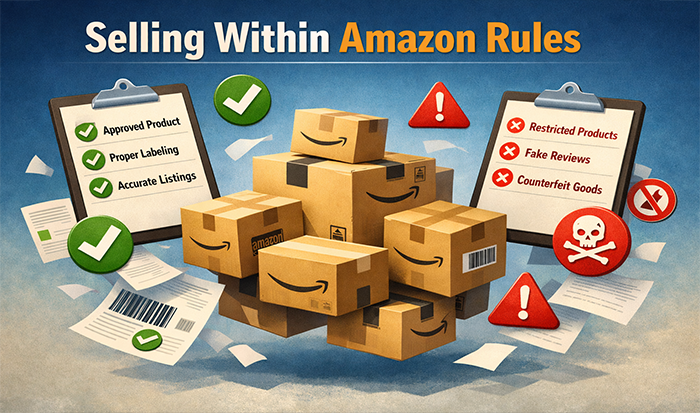
Amazon still expects:
- Accurate listings.
- On-time delivery.
- Clear seller identity.
- Reliable order handling.
- Good customer experience.
That means your supplier’s mistake becomes your problem. If the wrong item ships, if packaging reveals another retailer, if delivery runs late, or if returns become messy, your account health absorbs the damage.
This is why the right mindset matters. A no-inventory model is not an excuse to be passive. It actually demands closer oversight in some areas because you are depending on another party to uphold your standards.
Best Models for Beginners
If you are just starting out, the smartest approach is usually not the one that promises the fastest money. It is the one that gives you the clearest learning curve without putting your account at unnecessary risk.
For many beginners, the most realistic starting options are:
- Print-on-demand for creative, low-risk product testing.
- Controlled dropshipping with a proper supplier relationship.
- Niche product validation with supplier-held inventory.
- Creator-led merchandising if you already have an audience.
Why these work better than random product flipping:
- Lower upfront cost.
- Easier experimentation.
- Less risk of overbuying.
- More flexibility while learning the platform.
If you are still figuring out What to Sell on Amazon, these models can help you learn customer behavior before making larger commitments.
How to Choose What to Sell
This is where many people stall. They understand the model, but they still do not know what to sell on Amazon. The good news is that the low-inventory approach actually helps here because it gives you room to test instead of trying to predict the perfect product in one shot.
A practical way to choose is to look for products that sit at the intersection of:
- Clear demand.
- Low breakability.
- Easy fulfillment.
- Low return risk.
- Strong niche appeal.
- Limited compliance complexity.
That is why many beginners start with things like:
- Apparel and merch.
- Personalized accessories.
- Simple gift products.
- Niche home decor.
- Journals, organizers, or lightweight lifestyle products.
The goal is not to find the broadest possible product. It is to find a product that can be fulfilled reliably without causing operational chaos.
Setting Up the Business the Right Way
Once you choose a model, the next step is building the setup properly. This is where a lot of people rush because they are excited to list products. But the setup is what protects you later.
Make sure you cover the basics:
- Create the right Amazon seller account.
- Understand category and listing requirements.
- Confirm supplier or fulfillment reliability.
- Build product pages with accurate descriptions.
- Set handling times honestly.
- Create a process for customer service and returns.
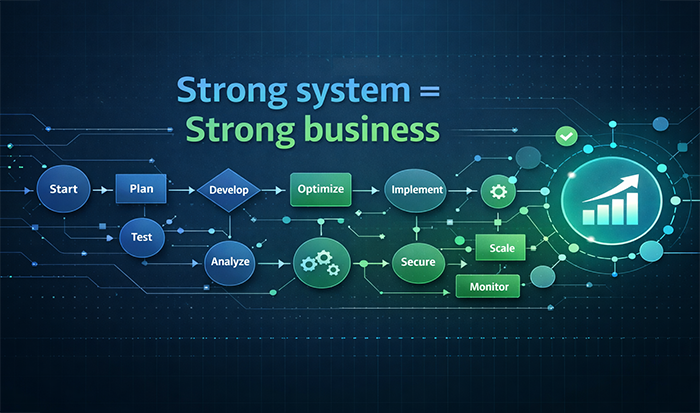
This part matters because Selling on Amazon is rarely won by product alone. The sellers who last are the ones who build cleaner systems early.
Pros of Selling Without Inventory
There is a reason this model keeps attracting attention. When done carefully, it solves several early-stage problems at once.
The biggest advantages are:
- Lower startup cost.
- Less cash tied up in unsold stock.
- Easier product testing.
- More flexibility to pivot.
- Lower storage burden.
- Faster experimentation across niches.
This can make the business feel much more approachable, especially for first-time sellers who want to learn without betting heavily on one product.
Cons You Should Not Ignore
That said, there are real trade-offs. The no-inventory route is not automatically easier. In some ways, it is harder because you are giving up direct control in exchange for lower risk.
The common drawbacks include:
- Lower margins in some models.
- Slower fulfillment depending on the supplier.
- Less control over product quality.
- More account risk if partners make mistakes.
- Harder branding in certain setups.
- Less insulation from operational problems.
This is why the best sellers usually treat no-inventory models as a starting strategy, not always a forever strategy.
How to Reduce Risk While Using a No-Inventory Model
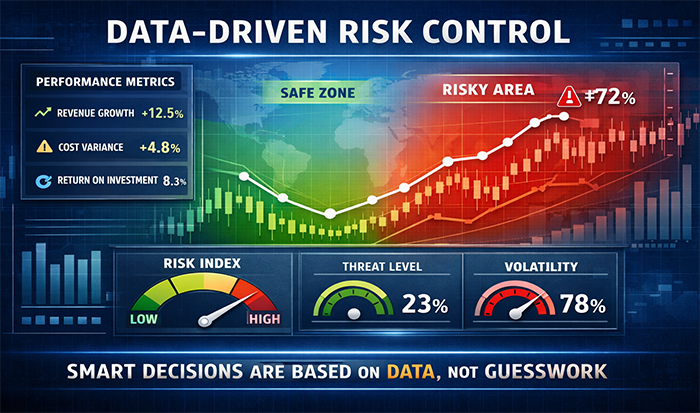
If you want this to work long term, you need safeguards. The smarter your controls, the safer the model becomes.
A few practical ways to reduce risk:
- Vet suppliers carefully before listing anything.
- Order sample products yourself.
- Test packaging and delivery times.
- Avoid overcomplicated products early.
- Monitor metrics like late shipment and return rate.
- Keep listings honest and specific.
- Move proven winners into FBA or a tighter fulfillment model later.
That last point is important. Many successful sellers begin with a lightweight model, then transition once demand is clear. That is often the healthiest path.
When to Move From No-Inventory to Stocked Inventory
At some point, if a product proves itself, the question changes. You stop asking How to Sell on Amazon Without Inventory and start asking whether keeping inventory would now improve margins, control, and speed.
That transition usually makes sense when:
- Demand is consistent.
- Customer feedback is strong.
- Margins improve with bulk ordering.
- Delivery speed matters more.
- Branding becomes more important.
- You want better control over experience.
In other words, a no-inventory model can be a launchpad. It does not have to be the final form of the business.
A Smarter Way to Think About This Model
The biggest mistake is treating this strategy like a loophole. It works much better when you treat it like a learning stage. You are buying information with lower risk. You are discovering what sells, what customers respond to, and what kind of business you actually want to build.
A healthy mindset looks like this:
- Start light.
- Learn fast.
- Watch the data.
- Tighten operations.
- Scale the products that earn it.
That is a much more stable path than trying to Sell Things on Amazon in a rushed, copy-paste way.
Conclusion
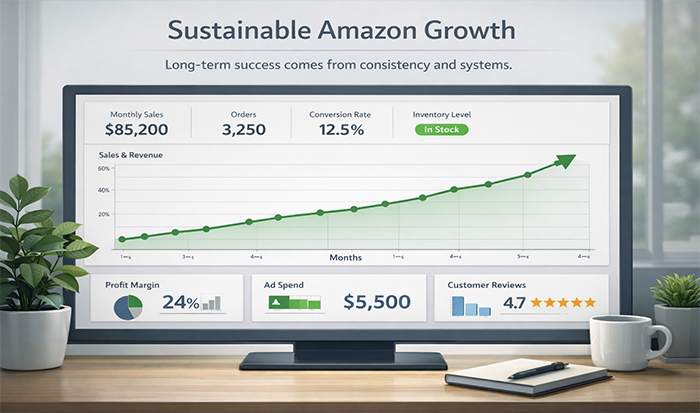
If you have been wondering How to Sell on Amazon Without Inventory, the short answer is yes, it can be done. But the better answer is that it can be done well or badly. The difference usually comes down to model choice, supplier quality, and how seriously you treat the operational side of the business.
For many new sellers, this approach is a smart starting point. It lowers financial pressure, creates room to test products, and helps you learn How to Sell on Amazon without committing to large stock orders too early. Print-on-demand, controlled dropshipping, creator-led merch, and supplier-managed models can all work when they are handled carefully.
The real opportunity is not just avoiding inventory. It is using that flexibility to make better decisions. If you choose products thoughtfully, protect the customer experience, and move proven winners into stronger fulfillment setups over time, you give yourself a much better chance of building something sustainable.
So if your goal is to start selling on Amazon with less upfront risk, do not chase shortcuts. Build a lighter model the right way, let the market show you what works, and then scale with confidence. That is usually how the smartest Amazon businesses begin.
FAQs:
1. Can I really sell on Amazon without keeping inventory?
Yes, but someone still has to produce or ship the product. You may not hold the stock yourself, but fulfillment still needs to be reliable.
2. What is the easiest no-inventory model for beginners?
Print-on-demand is often one of the simplest starting points because it reduces inventory risk and is easier to test.
3. Is dropshipping allowed on Amazon?
It can be, but only if you follow Amazon’s rules carefully and remain the seller of record throughout the process.
4. What should I sell first on Amazon without inventory?
Start with lightweight, low-risk products that are easy to fulfill and less likely to create return problems.
5. Should I stay with a no-inventory model forever?
Not always. Many sellers use it to test products first, then move successful items into a more controlled inventory model later.

 Back to top
Thought Leadership, Tips, and Tricks
Never miss insights into the Amazon selling space by signing up for our email list!
