




Table of Contents
Introduction
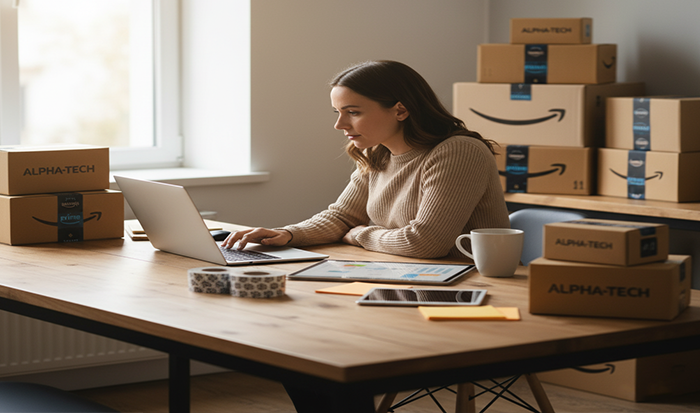
Why a solid Amazon product launch strategy is critical in 2026
You can make or break your success on Amazon in 2026 with a successful Amazon product launch strategy. Creating momentum that drives visibility, sales, and long-term rankings is now more important than simply optimizing listings when launching a product on Amazon due to increased competition and astute consumers.
What has changed in Amazon’s algorithm and buyer behavior
Both Amazon’s algorithm and customer behavior have changed significantly. Relevance, genuine customer experiences, and external signals are now given greater weight on the platform than before.
Consumers are also becoming more discriminating; they carefully read reviews, evaluate deals, and use social proof before making a purchase.
Promise
A step-by-step guide covering PPC, giveaways, external traffic, TikTok Shop, and ranking strategies:
To help your product stand out and grow quickly, this guide outlines a step-by-step process that combines PPC campaigns, clever giveaways, outside traffic sources, TikTok Shop integration, and state-of-the-art Amazon ranking techniques.
Understanding Amazon Product Launches in 2026
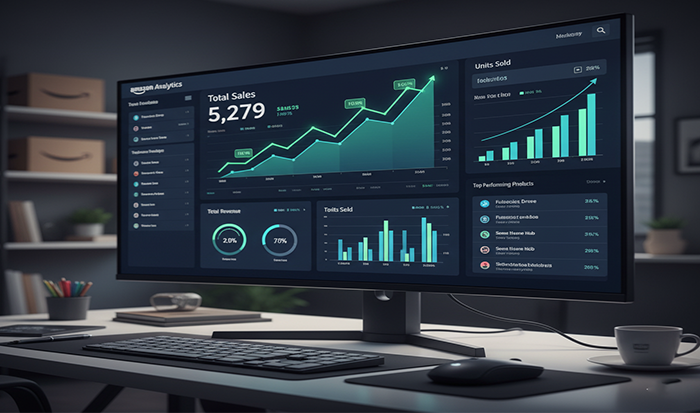
How the launch process has evolved compared to previous years
In the past, a simple Amazon product launch strategy might mainly rely on freebies and discounts to increase sales velocity. However, Amazon tightened its algorithms and policies in 2026, prioritizing compliance, organic growth, and relevance.
Success nowadays hinges on striking a balance between multi-channel traffic, real engagement, and promotions.
The role of Amazon A9 → A10 algorithm shifts
The way sellers plan their Amazon ranking strategies has changed as a result of the switch from A9 to A10. A10 places greater emphasis on customer behavior, including time on page, click-through rate, and search relevance, whereas A9 placed a greater emphasis on sales velocity.
For long-lasting effects, sellers must now optimize their product listings as well as the customer experience.
Key factors Amazon rewards in 2026
relevance, conversions, external traffic, customer experience: Holistic efforts are now rewarded by Amazon. Relevance guarantees that your keywords correspond with the intent of your target audience.
Product-market fit is indicated by conversions. Brand trust is increased by external traffic from sources such as social media, Google Ads, and TikTok Shop. Additionally, customer satisfaction—from reviews to delivery time—solidifies your rankings.
These components work together to create a cutting-edge Amazon product launch plan that will be successful in 2026.
Step 1 – Product Research & Market Validation
Choosing the right product before launch
The foundation of any successful Amazon product launch strategy lies in product selection. For beginners, following new Amazon seller launch tips is crucial, avoid overly saturated markets and instead look for products with steady demand, reasonable margins, and opportunities for differentiation.
Validating demand with tools (Helium 10, Jungle Scout, SellerApp)
Modern sellers can’t rely on guesswork. Tools like Helium 10, Jungle Scout, and SellerApp allow you to validate demand, analyze keyword search volume, and predict profitability.
These insights help craft a sharper Amazon product launch strategy by ensuring you’re not investing in products with low or inconsistent demand.
Identifying competitor weaknesses
One of the smartest new Amazon seller launch tips is to analyze your competition. Look for weaknesses in their listings, pricing, reviews, or fulfillment methods.
By addressing these gaps, you can position your product more effectively and create a stronger foothold from the start.
Step 2 – Optimizing Your Amazon Listing Before Launch
Title Optimization – keyword placement + branding
When learning how to launch a product on Amazon, title optimization is key. Place primary keywords at the beginning while balancing clarity and branding.
A well-structured title not only boosts your Amazon ranking strategy but also improves click-through rates.
Bullet Points & Description – benefit-driven copy
Images & A+ Content – visuals for conversions
High-quality images and A+ Content aren’t optional anymore—they’re central to how to launch a product on Amazon effectively.
From lifestyle shots to infographics, visuals build trust and improve conversion rates, which directly fuel your Amazon ranking strategy.
Step 3 – Building Pre-Launch Momentum
Growing an audience before launch
Collecting emails & building a launch list
Email marketing still matters. Collect emails through lead magnets, giveaways, or pre-launch campaigns. A well-prepared launch list is a valuable asset for any Amazon product launch strategy, ensuring immediate sales velocity once your product goes live.
Social media teasers (Instagram, TikTok, YouTube)
Platforms like TikTok and Instagram are perfect for product teasers. Creating engaging short-form videos builds hype and trust before launch.
These efforts align with new Amazon seller launch tips since social buzz drives external traffic, which strengthens your Amazon product launch strategy.
Step 4 – Choosing Between FBM and FBA for Product Launch
When it comes to How to launch a product on Amazon, you must decide between Fulfillment by Merchant (FBM) or Amazon FBA product launch.
- FBA Pros: Prime badge, faster delivery, more trust.
- FBM Pros: Lower fees, more control.
In 2026, FBA remains the preferred method because buyers prioritize Prime eligibility.
Step 5 – Amazon PPC Launch Strategy in 2026
Setting Up Auto Campaigns for Data
A smart Amazon product launch strategy begins with auto campaigns. These campaigns allow Amazon’s algorithm to test your product against different keywords and audiences while collecting valuable performance data.
Instead of guessing which keywords will perform, you let Amazon gather insights on what shoppers are actually searching for and how they engage with your product. This process is both cost-efficient and low-risk in the first phase of launch.
More importantly, the data from auto campaigns becomes the foundation for your long-term Amazon ranking strategy, giving you a roadmap for scaling with precision.
Scaling with Manual Campaigns (Exact, Phrase, Broad match)
Once your auto campaigns generate keyword data, the next step is scaling through manual campaigns. Exact match ads help you target high-intent keywords with laser focus, ensuring you capture buyers ready to convert.
Phrase match ads expand your reach by covering related searches while maintaining relevance. Broad match campaigns, on the other hand, allow you to discover untapped opportunities by capturing variations and exploratory searches.
By layering these three targeting types, you create a diversified Amazon product launch strategy that maximizes visibility while keeping ad spend efficient. This balance of precision and expansion is critical for strengthening your Amazon ranking strategy.
Budget Planning for First 30 Days
The launch window is a race against time, and the first 30 days are the most critical. Amazon’s algorithm measures early performance signals—mainly sales velocity and conversions—to determine long-term rankings.
That’s why budget planning plays such a crucial role in your Amazon product launch strategy. Instead of being conservative, sellers should be prepared to invest aggressively in PPC during this period. Allocating a higher budget upfront fuels momentum, builds keyword ranking, and accelerates sales velocity.
Underspending early often leads to missed ranking opportunities, while overspending ensures you establish visibility that pays dividends later in your Amazon ranking strategy.
Step 6 – Leveraging Giveaways & Promotions
Amazon Giveaway Launch
Still Effective in 2026? An Amazon giveaway launch is still a valid tactic in 2026, but its execution has changed. Gone are the days when sellers could simply give away large volumes of products to climb rankings.
Today, Amazon prioritizes compliance, authenticity, and customer trust. Giveaways must be carefully designed to appear organic, targeted to the right audience, and fully within Amazon’s Terms of Service.
When done strategically, giveaways can still provide the sales velocity and initial reviews needed to boost a new product. Integrated thoughtfully, they remain a valuable part of a modern Amazon product launch strategy
Lightning Deals, Coupons & Promotions
Deals and coupons are proven tools for driving conversions, especially during the launch phase. Running Lightning Deals puts your product in front of bargain-hungry shoppers while also boosting exposure in Amazon’s promotional sections.
Coupons are another cost-effective way to attract clicks and improve conversion rates, as the visible “green tag” discount grabs customer attention. Together, these promotions not only encourage faster sales but also improve your organic rankings by signaling strong product-market fit.
For sellers, incorporating deals and coupons into their Amazon product launch strategy ensures an extra push in visibility and credibility during those crucial first few weeks.
Rebates and Launch Services (within TOS compliance)
Rebates and third-party launch services still play a role, but they must be used carefully to remain compliant with Amazon’s rules. When executed within Amazon’s Terms of Service, rebates can help incentivize purchases without compromising account safety.
Trusted launch services can also assist in managing these campaigns while ensuring compliance, reducing the risk of penalties or account suspension. By combining rebates with promotions and giveaways, sellers can create a multi-pronged promotional push that accelerates rankings and builds sales velocity.
Including these tactics in your Amazon product launch strategy gives your product the best chance of standing out while maintaining long-term sustainability.
Step 7 – Driving External Traffic in 2026
TikTok Shop & Influencer Marketing (new trend for 2026)
TikTok Shop has become the breakout star of e-commerce in 2026. Unlike traditional ads, TikTok thrives on authentic, short-form content that connects directly with buyers.
By partnering with influencers, sellers can tap into ready-made audiences who trust these creators’ recommendations. This not only drives external traffic but also creates buzz around your launch.
Integrating TikTok influencers into your Amazon product launch strategy ensures your brand gains visibility in a highly engaging platform, while also aligning with new Amazon seller launch tips that focus on building social proof early.
Facebook & Google Ads for Amazon Products
While TikTok is trending, Facebook and Google remain powerful ad channels for Amazon sellers. Running targeted Facebook ads allows you to retarget shoppers who have shown interest, while Google Ads capture search-intent traffic for specific products or categories.
Together, these platforms create multiple touchpoints with potential buyers, guiding them into your Amazon listing.
Diversifying traffic sources not only increases conversions but also strengthens your Amazon product launch strategy by reducing reliance on Amazon’s internal ecosystem. This multi-channel approach ensures your product gains momentum faster and ranks more effectively.
Email & Chatbot Flows for pre-launch traffic
Building anticipation before your product even goes live is one of the smartest new Amazon seller launch tips. Collecting emails through pre-launch signups, giveaways, or lead magnets allows you to nurture potential customers ahead of time.
Chatbot flows on platforms like Messenger or WhatsApp can also keep audiences engaged with updates, reminders, and sneak peeks.
When launch day arrives, these campaigns ignite a surge of immediate sales velocity—an essential element of any Amazon product launch strategy. Pre-built audiences convert better, making your initial launch stronger and more sustainable.
Why Amazon rewards external traffic more in 2026
Amazon increasingly values external traffic because it expands their ecosystem and signals product desirability beyond the marketplace. In 2026,
Amazon’s algorithm is designed to reward sellers who successfully bring in external shoppers by improving their organic rankings and visibility.
For sellers, this means mastering external traffic is no longer optional—it’s a requirement for staying competitive. By weaving social media ads, influencer campaigns, and email marketing into your Amazon product launch strategy, you not only drive immediate sales but also build long-term ranking stability.
Step 8 – Ranking Strategy Post-Launch
Importance of sales velocity in first 30–60 days
The first two months after launch are make-or-break for rankings. Amazon’s algorithm closely monitors sales velocity to determine whether your product deserves higher visibility.
Consistently driving sales during this window signals strong demand and market fit. This makes sales velocity the backbone of any Amazon ranking strategy.
Sellers who fail to maintain steady growth in this period often struggle to recover, while those who accelerate sales see long-term benefits in organic rankings.
Using PPC + external traffic + reviews for ranking
A well-rounded Amazon product launch strategy doesn’t rely on a single growth lever—it uses multiple. PPC ensures visibility within Amazon, external traffic boosts credibility and trust, and reviews validate product quality for potential buyers.
When combined, these three elements create a flywheel effect: ads drive sales, sales generate reviews, reviews build trust, and trust improves conversions.
This synergy sustains momentum beyond the initial launch week and helps your Amazon ranking strategy stay competitive even in crowded niches.
Balancing Keyword Relevance & Conversions
Ranking isn’t just about stuffing keywords—it’s about targeting the right ones and converting those clicks into sales. If you chase irrelevant or overly broad keywords, you may get traffic but no conversions, which hurts your ranking.
On the other hand, targeting only ultra-niche terms limits your reach. The best approach is balance: focus on keywords with buyer intent while continuously optimizing your listing to improve conversions.
This balance of relevance and conversions is what ensures stability in your Amazon ranking strategy and makes your product competitive in the long run.
Step 9 – Review Generation & Social Proof
- Amazon Vine Program: The Vine Program helps sellers collect verified reviews early. It’s a safe and reliable method to power up your Amazon product launch strategy
- Request a Review button: Simple but effective—using Amazon’s Request a Review feature increases the odds of organic reviews without violating TOS. A must for new Amazon seller launch tips.
- Ethical ways to increase reviews: Focus on great packaging, clear instructions, and excellent customer service. This leads to natural, ethical review growth that supports your rankings.
- Social proof via UGC & TikTok influencers: User-generated content (UGC) and influencer partnerships build trust. Leveraging TikTok creators adds credibility to your Amazon product launch strategy while boosting conversions.
Step 10 – Monitoring & Iterating Your Launch
- Tracking KPIs (sessions, conversions, ACOS): Key metrics show whether your Amazon product launch strategy is on track. Monitor sessions, conversion rates, and ACOS closely to adapt quickly.
- Tools to use (Helium 10, DataDive, Seller Central reports): Data-driven sellers win. Tools like Helium 10 and DataDive help fine-tune your Amazon ranking strategy by revealing keyword gaps, traffic insights, and competitor trends.
- Making data-driven adjustments to campaigns & listings: Adapt PPC bids, test new creatives, or tweak listing copy. Small, data-backed changes often yield massive ranking improvements.
Case Study: Successful Amazon FBA Product Launch in 2026
- Background: New Seller with Competitive Product: A seller entered a highly competitive niche with limited experience but followed proven Amazon FBA product launch steps.
- Launch Strategy Used (PPC, TikTok traffic, giveaways): They combined PPC ads, TikTok influencer traffic, and a targeted Amazon giveaway launch as part of their broader Amazon product launch strategy.
- Results Achieved (rankings, conversions, sales growth): Within 60 days, the product ranked on page one, achieved strong conversion rates, and generated steady sales growth—all through a well-executed Amazon FBA product launch.
Common Mistakes to Avoid in Amazon Product Launches

- Over-relying on giveaways: While an Amazon giveaway launch can help, overusing it risks compliance issues and weak long-term growth. Balance it within your Amazon product launch strategy.
- Ignoring external traffic: In 2026, external traffic is essential. Sellers who neglect it will struggle to rank, no matter how optimized their listings are.
- Poor listing copy/images: Bad copy and low-quality images hurt conversions. Even the best Amazon product launch strategy fails without strong content.
- Not budgeting enough for PPC: Underspending on ads delays ranking. Plan for aggressive PPC spend early to secure momentum.
2026-Specific Updates Every Seller Should Know
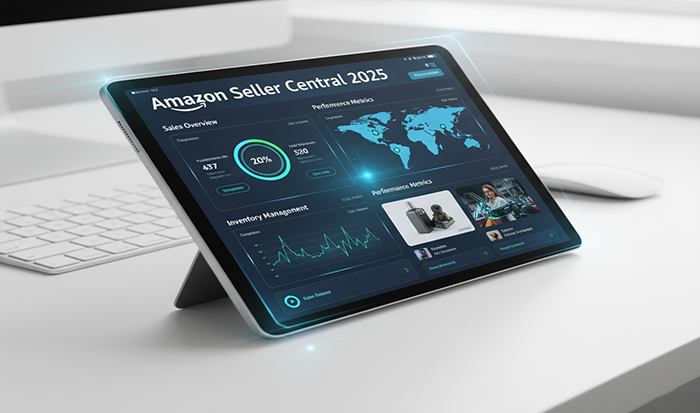
- Amazon algorithm shifts: More weight on external traffic: The latest updates reward sellers who bring shoppers from outside Amazon, making this a top priority in any Amazon product launch strategy.
- TikTok Shop integration for e-commerce: TikTok Shop is now directly tied to e-commerce growth, making it one of the most effective new Amazon seller launch tips.
- Stricter review & rebate compliance: Amazon enforces stricter policies on rebates and reviews. Staying compliant ensures long-term success.
- Expanding global marketplaces: In 2026, more sellers are scaling globally. Understanding new regions and compliance rules strengthens your expansion game.
Conclusion

Listing a product is only one aspect of a successful Amazon product launch strategy; other elements include research, optimization, external traffic, PPC, and ongoing development. The secret to successfully launching a product on Amazon in 2026 is to follow these steps precisely and flexibly.
The secret is constant optimization. Launches change as a result of competition and consumer behavior; they don’t stop on Day 30.
All set to go? Increase your Amazon success by collaborating with Sellerite’s professionals.
FAQs on Amazon Product Launch Strategy in 2026
1. What is the best Amazon product launch strategy for new sellers in 2026?
The best approach blends PPC, external traffic, optimized listings, and compliance. Following new Amazon seller launch tips like building a pre-launch audience and leveraging TikTok influencers gives you an edge.
2. How much budget should I allocate for an Amazon FBA product launch?
3. Does Amazon giveaway launch still work in 2026?
Yes, an Amazon giveaway launch still works if used strategically. However, Amazon now emphasizes compliance, so focus on quality over quantity.
4. How do I use TikTok Shop to promote my Amazon product launch?
5. What are the top mistakes new sellers make when launching on Amazon?



 Back to top
Thought Leadership, Tips, and Tricks
Never miss insights into the Amazon selling space by signing up for our email list!
YOUR WINNING SOLUTIONS
Read more



Expert
strategies
delivered
to your
inbox
top industry minds to fuel
your brand’s growth.

Send request to Sellerite
Once you submit the consultation form, we’ll dive into the details and email you a tailored report within 24-48 hours.
"*" indicates required fields
*By submitting your Email Address, you are agreeing to all conditions of our Privacy Policy.
