



Table of Contents
Moving Beyond the Search Bar: A Real Look at Amazon DSP

Launching a product on Amazon sounds exciting until reality hits. You do the sourcing, build the listing, turn on ads, and wait for sales to roll in. But in many cases, the product just sits there. Not because the idea was terrible, but because the launch was incomplete, rushed, or built on the wrong signals.
That is why learning how to launch a new product matters so much. A good launch is not just about getting the product live. It is about creating enough visibility, trust, and conversion momentum that Amazon starts seeing your ASIN as worth showing to more shoppers. If that early momentum never happens, even a solid product can disappear into the catalog.
The good news is that successful launches are not random. They usually follow a pattern. The seller validates demand, understands the niche, builds a listing that converts, drives the right traffic, and keeps adjusting based on what the market is saying.
In other words, they do not just “launch.” They manage the first phase of the product as if it were a performance campaign.
This guide walks through exactly that process. If you have been wondering how to launch a Product on Amazon in a way that leads to real sales rather than a quiet listing with no traction, this is where to start.
We will cover the full process, from pre-launch decisions to post-launch optimization, using a practical and realistic approach that makes sense for both newer sellers and growing brands.
Why Most Product Launches Struggle
A lot of Amazon launches fail for simple reasons, not mysterious ones. The product may be decent, but the seller enters too late, prices it poorly, guesses on keywords, or launches with a weak listing.
Sometimes the inventory is there, but the demand is not. Other times, demand exists, but the product page does not do enough to earn the sale.
One of the biggest mistakes is treating launch as a single event. Sellers assume that once the listing goes live, the hard part is done. In reality, going live is just the start.
The first few weeks matter more than many people realize because that is when Amazon starts reading your product’s behavior.
Common reasons launches struggle:
- Poor product research.
- Weak niche differentiation.
- Low-converting images or copy.
- Pricing that feels off for the category.
- Not enough traffic in the early stage.
- Too much traffic without enough conversion.
- Slow reaction to weak data.
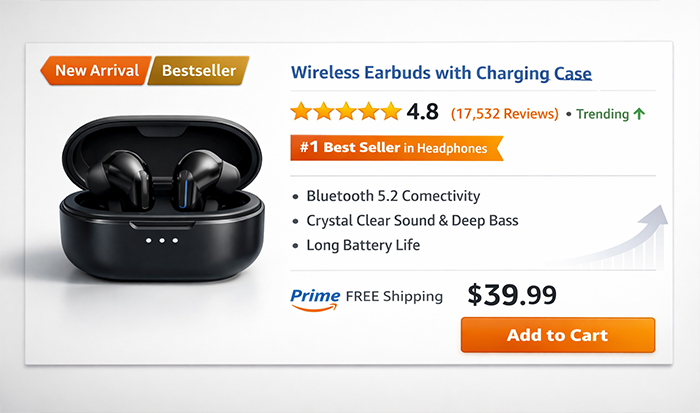
A good Amazon Product Launch is really about reducing avoidable friction. The easier you make it for the right shopper to discover, trust, and buy the product, the better your odds of building traction early.
Start With Product Validation, Not Excitement
Before anything else, the first step in How to Launch a New Product is product validation. This is the part many sellers rush through because they get excited by an idea, a supplier quote, or a trend they saw online. But excitement is not market proof.
Product validation means asking a few basic questions:
- Is there real demand?
- Is the niche too crowded?
- Can you compete on something meaningful?
- Is the margin still healthy after ads, fees, and returns?
- Can the product hold up under customer expectations?
The smartest launches usually begin with realistic product research, not emotional product selection. That means studying the category, top listings, review patterns, price bands, and customer complaints. You are trying to understand not just whether people buy in that space, but whether there is room for your version to succeed.
This is also where you should get serious about What problem the product solves. The best launches are rarely built around “another product in the category.” They are built around a clearer benefit, a stronger use case, or a more relevant positioning angle.
Know Exactly Who You Are Selling To

A lot of product launches stay too generic. The seller writes a listing that could apply to almost anyone, and as a result, it connects with no one particularly well.
If you want to Launch an Amazon Product successfully, you need to know the buyer more clearly than that. Ask yourself:
- Who is most likely to buy this first?
- What are they worried about before purchase?
- What would make them trust this listing faster?
- What words would they naturally use to search?
- What feature actually matters most to them?
For example, a storage product aimed at small apartment renters needs a different message than the same product aimed at families. A wellness product for busy professionals should sound different from one aimed at fitness enthusiasts. That shift in language affects your title, bullets, images, A+ Content, and ad strategy.
When the buyer feels understood, conversion usually improves. And when conversion improves, the launch has a much better chance of gaining momentum.
Build the Listing Before You Need It
One of the worst launch habits is treating the listing like something you can “fix later.” Technically, yes, you can improve it later. But if the listing is weak when traffic first arrives, you may waste the most important stage of the product’s life.
A strong listing should be ready before the serious traffic push begins. That includes:
- A clear and readable title.
- Strong keyword placement.
- Benefit-focused bullet points.
- Professional product images.
- Honest product detail.
- Clear differentiation from competitors.
- A price that makes sense for the category.
The goal is not just to look polished. It is to remove hesitation. A good listing answers questions fast. It helps shoppers understand what the product is, who it is for, and why they should trust it.
This is one of the biggest differences between a casual Amazon Product Launch and a serious one. Strong launches are prepared for traffic before they buy traffic.
Keyword Strategy Shapes Launch Visibility
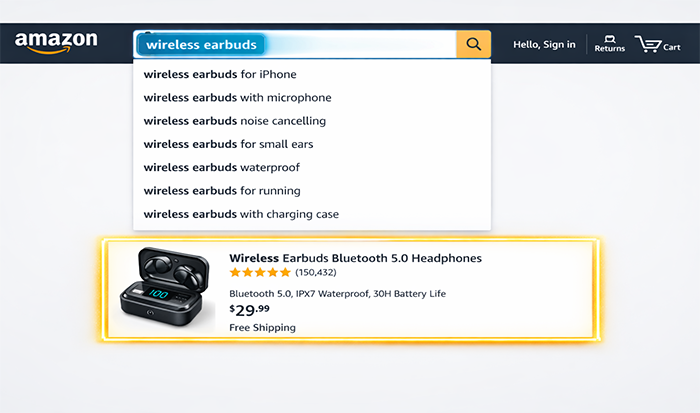
You cannot really talk about How to Launch a Product on Amazon without talking about keywords. Amazon is still a search-driven marketplace, and if your listing is not aligned with real shopper language, it becomes much harder for the product to get discovered.
Your launch keyword strategy should include:
- Primary high-intent keywords.
- Secondary feature-based keywords.
- Long-tail keywords with lower competition.
- Problem-solving phrases that reflect buyer intent.
- Backend search terms for broader relevance.
A common mistake is chasing only the biggest search volume. That often creates a brutal uphill fight. In many cases, a better launch strategy is to build traction on narrower but more buyer-ready phrases first, then expand as the product gains data and sales history.
Think of keywords as your market entry points. You do not need to own the whole category on day one. You need to become relevant somewhere first, then build from there.
Price for Conversion, Not Ego
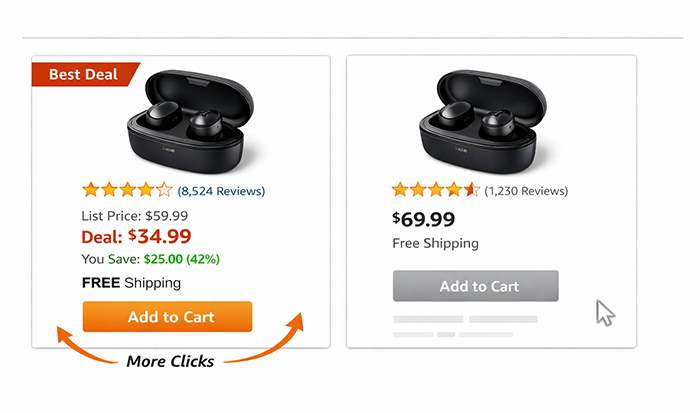
Pricing can quietly ruin a launch before the seller realizes it. If the price is too high, shoppers hesitate because the listing has no trust yet. If it is too low, margins disappear and the product may even look suspiciously cheap.
A better launch mindset is to price for conversion and positioning, not ego. Ask:
- What are similar listings charging?
- What is the trust gap between you and established competitors?
- Can your price support ad spend and still leave room for profit later?
- Does the price fit the story your listing is telling?
In the early stage, pricing often needs to feel approachable enough to encourage first purchases. That does not always mean “cheap.” It means believable. A product with no review history usually has to work a little harder to earn the sale.
This is especially true in Amazon Fba Product Launch situations, where fees and ad spend can stack quickly. The launch price has to support traction without destroying the economics of the business.
Inventory Planning Can Make or Break Momentum
A launch does not just live in the listing and ad account. It also lives in your operations. If the product gains traction but goes out of stock too early, the momentum can collapse.
That is why inventory planning matters more than many sellers expect. You do not need to flood Amazon with stock immediately, but you do need enough inventory to support the launch window.
A smart early inventory plan should consider:
- Expected ad-driven demand.
- Lead time for reorders.
- Receiving time at Amazon.
- Sales spikes during promotions.
- The cost of stocking out too early.
Running out of stock in the middle of a promising launch is painful because you lose more than units. You may lose ranking signals, ad momentum, and buyer trust. That is why many experienced sellers treat inventory planning as part of launch strategy, not just operations.
Drive Early Traffic With Intention

A new listing rarely ranks well on its own right away. It needs traffic and sales signals to begin building relevance. That is where the early traffic strategy comes in.
For most sellers, this includes a mix of:
- Sponsored Products.
- Sponsored Brands, if brand-registered.
- Limited launch offers or coupons.
- External traffic from creators or content.
- Email or audience-driven pushes, where available.
The key is not just “more traffic.” It is qualified traffic. A lot of irrelevant clicks can actually slow a launch down if the listing does not convert well.
That is why a smart Launching a Product on Amazon plan matches traffic sources to listing readiness. If the page is still weak, pushing hard traffic too early can waste money. If the listing is solid, those visits can help the product start building the behavioral signals Amazon looks for.
Reviews and Trust Signals Need a Real Plan
No matter how good the product is, shoppers still hesitate when a listing has little or no social proof. This is one reason reviews matter so much in the launch phase.
That does not mean you should chase them carelessly. It means you should build a system that encourages legitimate review growth through product quality, clean packaging, clear instructions, and a good customer experience.
Trust in the launch phase often comes from small things:
- A clean product presentation.
- Helpful inserts where policy allows.
- Clear product instructions.
- Listing content that matches the actual product.
- Fast response to buyer concerns.
When customers feel the product matched the promise, they are more likely to leave the kind of feedback that helps the listing stabilize.
Watch the Right Metrics During Launch
A product launch becomes much easier to manage when you stop relying on gut feeling and start reading the right numbers. In the first few weeks, a few key metrics tell you almost everything you need to know.
Pay close attention to:
- Click-through rate.
- Conversion rate.
- Ad spend and search term quality.
- Session volume.
- Review growth.
- Inventory movement.
- Return reasons.
These metrics help you ask better questions. If clicks are low, maybe the main image or title needs work. If clicks are high but sales are soft, perhaps the offer or listing quality is weak. If reviews mention the same complaint repeatedly, that may point to a product or expectation issue.
This is where many Amazon Product Launch Services create value. The strongest ones do not just push traffic. They help sellers read the signals and adjust early.
Optimize Fast Instead of Defending the First Version
One of the biggest launch mistakes is becoming emotionally attached to the first version of the listing or campaign. Sellers spend time building something, then hesitate to change it even when the market is clearly pushing back.
Strong launches do the opposite. They optimize fast.
That may mean:
- Rewriting the title.
- Swapping the main image.
- Adjusting bullets.
- Changing the price.
- Tightening keyword targeting.
- Pausing weak campaigns.
- Improving packaging or instructions.
A launch should be treated as a live feedback period. The market is telling you what is working. Your job is to listen without overreacting.
The sellers who improve fastest are usually the ones who gain traction faster too.
Use Offers Carefully During the Launch Window
Promotions can help, but they should support the launch, not become the whole launch strategy. A small coupon or launch offer can improve click-through and conversion, especially when trust is still being built. But if the discount is too aggressive, you may create weak customers, weak margins, or a false picture of demand.
A more practical approach is to use offers for a reason:
- To encourage first purchases.
- To improve ad efficiency.
- To create urgency during a specific window.
- To support ranking on targeted keywords.
The best launch offers feel like a nudge, not a rescue plan.
The Post-Launch Phase Matters Just as Much
A lot of sellers focus so much on the initial push that they forget the second phase matters just as much. Once the product starts getting attention, the goal changes from visibility to stability.
In the post-launch phase, you should be asking:
- Which keywords are actually converting?
- Which campaigns deserve more budget?
- Is the listing earning organic sales yet?
- Are returns revealing an issue?
- Is pricing still aligned with the category?
- Can the product hold momentum without heavy discounts?
This is where a launch becomes a business rather than a burst of activity. The sellers who win long term are usually the ones who transition smoothly from launch mode into optimization mode.
When to Get Outside Help
Some sellers can manage launches in-house, especially if they have launched before and already understand listing, ads, and operations. But if the category is competitive or the product matters strategically, getting help may save both time and money.
That is where Amazon Product Launch Services can be useful. The good ones do not just “run ads.” They help shape the launch plan, improve listing readiness, manage performance data, and reduce the chances of expensive missteps.
The point is not that every seller needs outside support. The point is that launching is one of the most expensive times to learn everything the hard way.
Conclusion
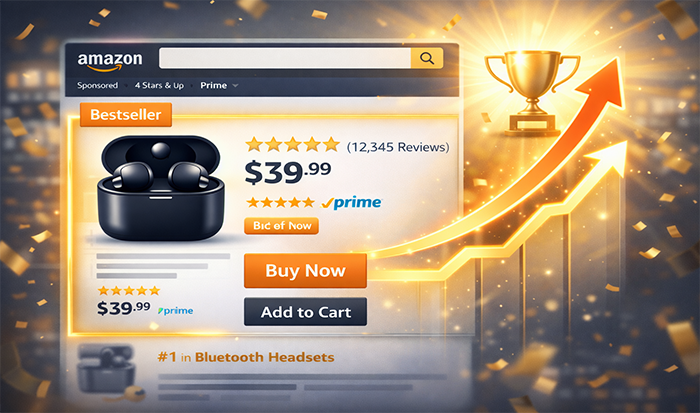
If you want to learn How to Launch a New Product that actually sells, the biggest shift is this: stop thinking about launch as a single moment. It is not just a listing going live. It is a managed window where research, positioning, pricing, traffic, conversion, and fast optimization all need to work together.
A strong Amazon Product Launch starts before the product is even listed. It begins with validation, clear buyer understanding, realistic pricing, strong inventory planning, and a listing built to convert. Then it moves into intentional traffic, real-time learning, and early adjustments based on what the data says.
That is what separates launches that quietly disappear from those that build real traction. The sellers who succeed are not usually the lucky ones. They are the ones who prepare better, react faster, and keep improving after the product goes live.
So if you are planning Launching a Product on Amazon, think bigger than the launch date. Build the product page carefully, choose your keywords wisely, protect your margins, and stay close to the numbers. That is how a launch stops being a gamble and starts becoming a growth engine.
FAQs:
1. How long does an Amazon product launch usually take to gain traction?
Some products show early movement in the first few weeks, but stronger traction usually builds over one to three months of steady optimization.
2. What is the biggest mistake in an Amazon Product Launch?
Launching with weak product research or a poor-converting listing is one of the most common and costly mistakes.
3. Do I need ads to launch a product on Amazon?
In most cases, yes. A new listing usually needs paid traffic to build visibility and early sales signals.
4. What matters more during launch, traffic or conversion?
Both matter, but conversion is what turns traffic into momentum. Without it, launch traffic becomes expensive noise.
5. Are Amazon Product Launch Services worth it?
They can be, especially for competitive categories or important product launches where strategy, speed, and optimization make a real difference.


 Back to top
Thought Leadership, Tips, and Tricks
Never miss insights into the Amazon selling space by signing up for our email list!
