



Table of Contents
Client Overview

This client was not new to Amazon. They were an experienced private-label seller managing a mid-sized catalog across home, personal care, and utility-driven products. The business had already built healthy traction, but like many growing brands, it had reached the point where listing management was becoming more complicated than expected.
One of their highest-converting listings was suddenly deactivated after a policy-related flag. At first, the team thought it was a routine suppression they could fix quickly. It was not. The ASIN stayed down, performance notifications became harder to interpret, and every day offline meant more revenue leaking away.
Key facts on the ground:
- Business type: Established Amazon-native brand with multi-SKU operations
- Catalog size: 30+ active listings across everyday-use categories
- Immediate problem: High-performing ASIN removed from active sale
- Main objective: Restore the ASIN fast without making the case worse
- Internal challenge: The team had product knowledge, but not a repeatable process for how to reinstate a listing on amazon seller account
At that point, the real problem was no longer just the deactivated listing. It was the lack of a system.
Challenges Before Sellerite
What We Found in the Audit
When Sellerite reviewed the case, the issue was bigger than a single flagged ASIN. The listing had been hit by a compliance problem, but the real risk came from how the business was responding to it.
The audit revealed several familiar patterns:
- The team had submitted rushed responses without fully isolating the root cause.
- Documentation existed, but it was scattered across emails, shared drives, and supplier threads.
- Product detail content had small inconsistencies that were easy to overlook but risky in a policy review.
- Internal staff were unsure whether to edit, relist, or appeal first.
- Communication with Amazon had become reactive instead of structured.
That last point mattered more than anything. Amazon usually expects sellers to respond with a clear explanation of root cause, corrective action, and preventive steps when appealing or disputing a listing issue. The client had pieces of that, but not in a format Amazon could quickly validate.
The team had already tried to reinstate amazon listing access once before coming to Sellerite. The result was a vague rejection and more confusion. By then, urgency was high. The listing was down, sales history was being interrupted, and the team did not want to risk losing reviews or creating duplicate catalog issues.
Goals and Success Metrics

What Success Needed to Look Like
The goal was not just to get the ASIN visible again. The goal was to get it reinstated properly, with less future risk.
From day one, success was mapped to a few specific outcomes:
- Recover the removed listing through a compliant Amazon Listing Reinstatement process
- Submit one clean, evidence-backed appeal instead of repeated low-quality replies
- Reduce reinstatement turnaround time by organizing all support documents upfront
- Preserve listing history wherever possible instead of forcing a new ASIN path
- Build a workflow the internal team could use to reinstate your listing amazon faster in future cases
This mattered because Amazon’s own seller guidance and forum support repeatedly point sellers toward using the same ASIN when the issue is corrected, rather than creating unnecessary replacement listings that may complicate review history or product classification. So for this client, the cleanest win was reinstatement, not recreation.
Strategy: Amazon Listing Reinstatement With Sellerite
The Operating Principles
Sellerite approached the case with a simple belief: reinstatement works best when the response is factual, organized, and built around what Amazon actually wants to review.
The strategy followed five operating principles:
- Root-cause first: No appeal was drafted before the policy trigger was identified clearly.
- Documentation before emotion: Amazon responds better to evidence than frustration.
- Same-ASIN priority: Where appropriate, the goal was to restore the original listing rather than create unnecessary replacements.
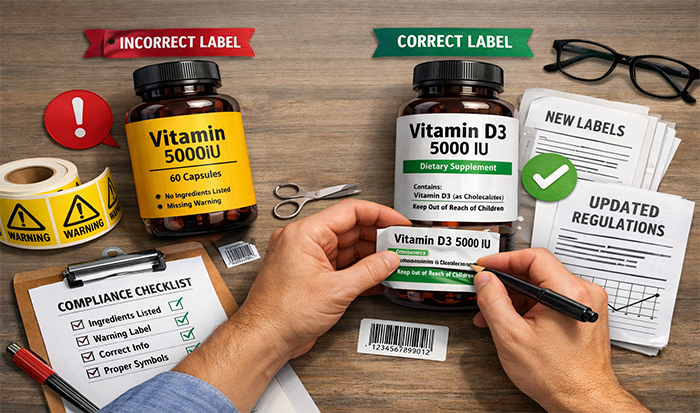
- Compliance cleanup: The product page and backend details had to be corrected before submission.
- Process over improvisation: Every future reinstatement should be easier than the last one.
This is where Sellerite’s compliance support made a difference. Instead of guessing how to reinstate a listing on amazon seller account, the client now had a step-by-step path tied to documentation, listing review, and structured case handling.
Execution Roadmap

Phased Rollout for Reinstatement and Recovery
Phase 1 – Case Review and Risk Isolation (Week 1)
Sellerite reviewed the performance notification, account history, ASIN-level changes, and all prior communications. The goal was to separate the actual policy concern from the noise created by rushed earlier responses.
During this phase, the team:
- Identified the exact listing-level trigger
- Pulled all product assets and supplier documentation into one folder
- Reviewed title, bullets, images, and attributes for mismatch or risk
- Flagged any edits that could complicate the appeal
Phase 2 – Corrective Action and Appeal Buildout (Week 2)
Once the issue was isolated, Sellerite prepared the listing for reinstatement. This included content corrections, documentation review, and a concise Plan of Action aligned with Amazon’s typical expectations: cause, fix, and prevention.
The appeal package included:
- Root cause explanation
- Corrective actions already completed
- Preventive controls for future listings
- Supporting documents tied directly to the flagged concern
Phase 3 – Submission, Follow-Up, and Monitoring (Weeks 2–3)
The appeal was submitted through the proper Seller Central path tied to the notice, following the standard process Amazon describes for listing or account appeals. From there, Sellerite tracked responses, adjusted language only when necessary, and avoided flooding support with conflicting requests.
That restraint helped. Too many sellers hurt their own chances by filing multiple scattered replies before Amazon has fully reviewed the first one.
Results
Performance After Reinstatement
The listing was reinstated after the revised appeal and supporting documentation were reviewed. Once the ASIN returned, the bigger focus shifted from relief to recovery.
Within the following weeks, the business saw:
- Primary suppressed ASIN restored without needing to create a replacement listing
- Downtime reduced compared with the earlier failed appeal cycle
- Ad campaigns reactivated on the original product path
- Ranking recovery began faster because the ASIN history remained intact
- Internal response time improve significantly for future compliance cases
Just as important, the client no longer treated reinstatement like a one-off emergency. They now had a playbook.
What Drove the Improvement
The Three Big Levers
Three things made the difference in this case.
- Cleaner root-cause diagnosis
Before Sellerite, the team was reacting to symptoms. Once the actual trigger was isolated, the case became easier to solve.
- Better evidence structure
Amazon typically expects a focused appeal supported by documents, not speculation or emotional language. The revised submission gave reviewers something concrete to validate.
- Same-listing recovery strategy
Because the team avoided unnecessary duplication and worked toward reinstating the original ASIN where appropriate, they reduced the risk of extra catalog confusion and preserved continuity.
This is what many sellers miss when trying to reinstate amazon listing access on their own. The answer is often less about writing more and more about organizing better.
Inside the System : How Each Component Worked
Sellerite’s compliance support process was built around a few working parts:
- Notification review: Every case started with the exact notice, ASIN, and enforcement reason, not assumptions.
- Listing compliance check: The product page was reviewed for claims, attributes, backend fields, and content mismatches.
- Document validation: Invoices, supplier records, and supporting files were organized before submission.
- Appeal framework: The response followed a clean structure focused on root cause, corrective action, and prevention.
- Follow-up control: No unnecessary duplicate replies, no contradictory edits, and no random escalation attempts.
That system removed confusion from the process of how to reinstate a listing on amazon seller account and replaced it with something much more reliable.
Governance, Reporting, and Cadence
Process That Keeps Compliance Response Predictable
Sellerite did not stop at reinstatement. To reduce the chance of repeat issues, the client adopted a simple compliance cadence:
- Weekly review of suppressed and at-risk listings
- Monthly audit of product content and claims
- Central storage for invoices, test documents, and supplier records
- Defined owner for listing escalations and appeals
- Checklist-based review before major content edits
That governance layer changed everything. The team no longer had to scramble each time a listing issue surfaced. They had a process to reinstate your listing amazon faster and respond with more confidence.
Case Narrative: From Reactive Appeals to Controlled Recovery

The Turning Points
At the beginning, this client was doing what many capable sellers do under pressure: moving quickly, replying often, and hoping something would stick. But reinstatement rarely rewards panic.
The turning point came when the business stopped treating the issue like a support ticket and started treating it like a compliance case. Once the root cause, listing cleanup, documentation, and response structure were aligned, the situation became manageable.
That is really what Sellerite changed. The listing came back, yes, but more importantly, the client gained a repeatable framework for Amazon Listing Reinstatement instead of relying on guesswork every time something went wrong.
Lessons Learned
This case reinforced a few important lessons:
- Fast appeals are not always strong appeals.
- Amazon usually wants clarity, proof, and prevention, not long explanations.
- Keeping the same ASIN matters when reinstatement is possible.
- Scattered documents slow everything down.
- The best time to prepare for reinstatement is before a listing ever gets flagged.
Why Choose Sellerite : The Human Side of Amazon Compliance Support

What Makes Our Approach Different
Sellerite’s compliance support is built for sellers who do not want generic templates or recycled appeal language. We combine listing analysis, documentation discipline, and structured case handling to give each reinstatement the best possible chance of approval.
If your team is trying to reinstate amazon listing access, or you need a clearer answer for how to reinstate a listing on amazon seller account, Sellerite helps turn a stressful process into an organized one. We do not just help recover listings. We help build the systems that make recovery faster, cleaner, and more repeatable the next time around.
That is the difference between reacting to Amazon and being ready for it.



 Back to top
Read more case studies

Amazon Listing Reinstatement That Recovered Revenue Without the Panic
How Sellerite Restored a Suppressed Amazon Listing and Built a Repeatable Compliance System

How Sellerite’s Amazon DSP Management Unlocked Full-Funnel Growth for a Mid-Sized Brand

Inside Sellerite’s Amazon Product Launch Journey

Using AI Tools for Amazon Sellers: A Case Study of Real Results

Increased Amazon Profits by 14% with Sellerite’s Profit Margin Calculator

Amazon Review Analyzer Case Study: Turning Customer Feedback Into Growth
Expert
strategies
delivered
to your
inbox
top industry minds to fuel
your brand’s growth.

Send request to Sellerite
Once you submit the consultation form, we’ll dive into the details and email you a tailored report within 24-48 hours.
"*" indicates required fields
*By submitting your Email Address, you are agreeing to all conditions of our Privacy Policy.
