


Why Shipping Speed Now Makes Or Breaks Your Amazon Sales
If there’s one thing Amazon has trained customers to expect, it’s speed. Amazon Shipping Speed is no longer a bonus; for many shoppers it’s part of the basic promise of buying on Amazon. When buyers see fast badges, Amazon Prime Delivery tags, or Free Shipping by Amazon, they subconsciously assume “this will arrive quickly and reliably.”
For sellers, that expectation cuts both ways. Good Amazon Delivery Performance can lift your click‑through rate, conversion rate, and repeat orders. Weak or inconsistent Amazon Shipping can quietly push shoppers toward competitors—even when your price and reviews are strong. In other words, how you show up on delivery is now a core part of your offer, not an afterthought.
This report looks at how shipping speed is evolving on Amazon going into 2026, what buyers are starting to expect as “normal,” and how you can use different shipping programs strategically instead of just checking whatever default box is available.
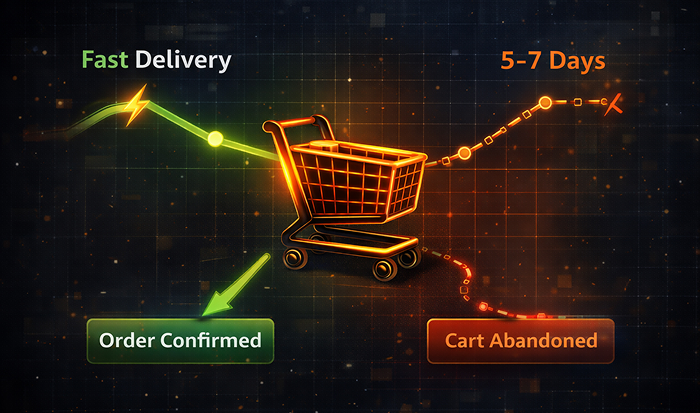
How Amazon’s Shipping Network Is Changing
From centralized to regional: making same‑day realistic
Behind the scenes, Amazon has spent years moving from a more centralized warehouse model to a regionalized one, where high‑demand products are stored closer to customers. That infrastructure shift is what makes options like Amazon Same Day Delivery and Same Day Shipping Amazon even possible at scale.
Recent updates highlight how Amazon has been expanding faster Prime delivery speeds (same‑day and next‑day) to more rural towns and smaller markets, not just big cities. More items are eligible for same‑day in more ZIP codes, and the company continues to promote this as a core part of the Prime value proposition. For sellers whose inventory is positioned in the right fulfillment centers, this means a much higher chance of showing fast‑delivery badges on product pages.
Reliability is almost as important as speed
Speed gets the headlines, but reliability keeps people loyal. Analyses of Amazon’s logistics operations show very high on‑time delivery rates—often above 95–98% for many regions and shipping programs. That level of Amazon Delivery consistency is what lets customers trust “Arriving tomorrow” messages and plan around them.
From a seller’s standpoint, that reliability is a huge asset. If you can get your products into the right parts of the network and avoid stockouts, Amazon’s system does most of the heavy lifting on Amazon Delivery Performance. Problems usually happen when inventory is too far from the buyer, when listings aren’t properly configured for fast shipping, or when using slower third‑party fulfillment that doesn’t match Amazon’s own standards.
The Main Amazon Shipping Speed Options (And How Buyers See Them)
Prime fast shipping: same‑day, overnight, and two‑day
For Prime customers, fast shipping is the default expectation. Amazon Prime Delivery typically covers:
- Amazon Same Day Delivery / Same Day Shipping Amazon for eligible items in specific zones
- Amazon Overnight Shipping or one‑day shipping on a large share of Prime‑eligible products
- Two‑day shipping as a common baseline in many regions
In several major markets, a significant and growing share of Prime orders are now delivered same‑day or next‑day, with Amazon publicly emphasizing the expansion of this capability. Buyers in those areas start to treat “today or tomorrow” as normal for essentials, electronics, and even some grocery and household items.
For sellers, the implication is simple: if your competitors’ listings are consistently offering same‑day or next‑day Prime delivery and yours are not, you’re competing at a visible disadvantage, especially on mobile where the delivery promise is front and center.
Standard and free shipping: still important for non‑urgent orders
Not every purchase needs to arrive tomorrow. Amazon Free Shipping and Free Shipping by Amazon remain key tools for price‑sensitive shoppers and larger orders.
Typical patterns include:
- Standard Amazon Shipping Speed of several business days for non‑Prime orders or non‑expedited options.
- Amazon Free Shipping thresholds that encourage buyers to add more items to reach minimum order values.
Some buyers are happy to trade speed for savings—if the product isn’t time‑sensitive and the delivery window is clearly communicated. For lower‑margin items or bulk orders, leaning on Amazon Free Shipping rather than fastest‑possible methods can help preserve profitability.
Amazon International Shipping also plays a role for cross‑border shoppers willing to accept longer transit times in exchange for access to products not available locally. Clear estimates and customs handling are crucial here to avoid disappointment and support positive Amazon Delivery experiences.
Shipping Programs At A Glance
How the main options compare
The table below summarizes how the key Amazon shipping and delivery modes typically line up with customer expectations and seller implications.
 This kind of high‑level view helps clarify where your current offers sit on the speed–margin spectrum and where it might make sense to upgrade or downgrade shipping options.
What 2025–2026 Trends Mean For Your Strategy

Pick your “speed tiers” consciously
The biggest mistake many sellers make is treating all products the same. In reality, you probably have:
- SKUs where fast Amazon Delivery is a key competitive advantage (hero products, ad‑driven items, consumables).
- SKUs where Amazon Free Shipping with a slightly slower ETA is perfectly acceptable.
- SKUs where Amazon International Shipping opens up a niche audience willing to wait longer for specialty items.
A thoughtful shipping strategy might look like this:
- Tier 1: Bestsellers and launch items → FBA, fastest Amazon Prime Delivery available, potentially same‑day in core regions.
- Tier 2: Steady sellers with solid margins → Prime two‑day or standard fast shipping.
- Tier 3: Low‑margin or niche items → Standard Amazon Shipping or Amazon Free Shipping, possibly FBM.
The goal isn’t to make everything as fast as possible; it’s to align speed, cost, and customer expectations in a way that preserves your profit.
Use delivery performance as a signal, not just a metric
Think of Amazon Delivery Performance as feedback on your operations:
- Late shipments or frequent delays on FBM orders may indicate you need better carrier partners or more conservative handling time settings.
- High cancellation rates due to stockouts mean inventory planning needs attention before you invest heavily in ads.
- A lack of fast‑shipping badges on top SKUs might suggest it’s time to reconsider FBA or regional inventory placement.
The sellers who do best with Amazon Shipping Speed in 2026 won’t necessarily be the ones spending the most on logistics. They’ll be the ones who treat delivery options as a strategic tool—choosing where to be fastest, where to be cheapest, and where to simply be honest about what they can deliver and when.
